6 things in the house that reveal a messy woman! if she does not care about these things, she does not care about herself either
In the field of environmental psychology, there is a long-standing understanding that the spaces we inhabit are far more than mere shelters; they are the external landscapes of our internal worlds. The state of a person’s home—its cleanliness, its organization, and its overall warmth—often functions as a silent mirror, reflecting the emotional and mental state of those who live within. When a woman’s personal sanctuary begins to fall into a state of persistent neglect, it is rarely just about a lack of time or a busy schedule. Instead, these domestic lapses are often the subtle, early warning signs of deeper emotional struggles, such as mental exhaustion, a decline in self-esteem, or a quiet resignation to personal abandonment. To look at these signs is not to pass judgment, but to practice empathy, recognizing that the way a woman cares for her space is intimately tied to how she perceives her own worth.
One of the most profound indicators of personal well-esteem can be found in the bathroom. This is the space dedicated to hygiene, ritual, and self-care. When a bathroom is left in a state of disrepair—marked by smudged mirrors, uncleaned surfaces, or a chronic lack of basic supplies like soap and fresh towels—it signals a disconnect from the self. Psychologists who study clutter and domestic environments suggest that when an individual begins to lose their sense of value, they no longer feel deserving of a clean or decent space for their most private needs. The bathroom becomes a utilitarian zone of indifference rather than a sanctuary for renewal. Restoring this space is a fundamental first step in reclaiming self-respect; a deep weekly cleaning and the simple presence of a pleasant scent or a soft, clean towel can act as a catalyst for a shift in self-perception.
Similarly, the bedroom—the most intimate quadrant of the home—serves as a primary indicator of a person’s psychological structure. Habit psychology emphasizes that the simple act of making the bed each morning provides a foundational sense of accomplishment and order. Conversely, a bedroom that remains in a constant state of disarray, with unmade blankets and scattered belongings, often reflects a state of lethargy or emotional heaviness. When a woman stops giving herself the gift of a restful, tidy environment to wake up in, she may be unknowingly reinforcing a mindset of chaos and lack of control. Turning the two-minute task of making the bed into a daily “anchor” can help ground the mind, providing a small but significant victory that sets the tone for a more organized and intentional day.
The management of clothing and laundry is another area where emotional management manifests in the home. Large piles of laundry, whether clean or dirty, scattered throughout living spaces create a visual noise that is inherently stressful. This accumulation often begins when a woman stops prioritizing her own needs, allowing the physical weight of unaddressed chores to mirror the emotional weight she may be carrying. The clutter becomes a barrier to relaxation. By establishing a fixed routine—using covered baskets to maintain visual order and designating a specific day for laundry—a woman can begin to manage the “mess” of her life in a way that feels achievable. These small steps in organization are, in reality, small steps toward reclaiming her time and her peace of mind.
The kitchen, often called the heart of the home, is perhaps the most significant area for physical and mental well-being. A greasy, disorganized kitchen filled with a backlog of dirty dishes is frequently a sign of a deeper neglect regarding nutrition and self-nourishment. Psychology teaches us that the way we eat is a direct reflection of how we feel about ourselves; neglecting the space where we prepare our sustenance is a subtle form of self-depreciation. It suggests that the person no longer finds it worthwhile to invest effort in their own health or physical energy. Maintaining a clean kitchen, even if one does not cook elaborate meals every day, changes the energy of the entire home. It transforms the kitchen from a source of guilt into a place of potential nourishment, signaling to the self that the body is worthy of care and attention.
Furthermore, a house filled with broken or unrepaired objects—a flickering bulb that is never changed, a leaky faucet that drips for months, or a loose doorknob that is constantly ignored—speaks to a spirit of resignation. These lingering “minor” problems are often a silent admission that the inhabitant no longer believes her surroundings, or her life, can be improved. Ignoring these issues is a way of saying, without words, that the status quo of “brokenness” is acceptable. Creating a monthly list of small fixes and systematically addressing them can be a powerful psychological exercise. It moves a woman from a passive state of resignation to an active state of agency, reinforcing the belief that she has the power to repair her world and improve her own well-being.
Finally, a home that lacks personal touch, warmth, or intentional decor can indicate an emotional disconnection. A “soulless” environment with empty walls and cold, sterile spaces suggests that self-love is not being actively cultivated. Our homes need affection just as much as our bodies do; when we take the time to make a space our own—through a piece of art, a plant, or a meaningful memento—we are planting the seeds of belonging. When a woman neglects to infuse her space with her own personality, she risks becoming a stranger in her own home. Decorating and personalizing a space is not about vanity or consumerism; it is about creating a soft place to land, a physical manifestation of self-love that greets her every time she walks through the door.
In conclusion, the state of the home is an intricate map of the soul. Disinterest in one’s surroundings is rarely just laziness; it is often a symptom of a deeper internal struggle. By identifying these six common areas of neglect—the bathroom, the bed, the laundry, the kitchen, the repairs, and the decor—we can better understand the emotional landscape of the inhabitant. Fixing these things is not just about making a house look “better” for others; it is about a woman choosing to care for herself through the medium of her environment. Small, consistent changes in the home can lead to profound shifts in mental clarity, motivation, and self-worth. When a woman chooses to prioritize her space, she is making the radical, life-affirming decision to prioritize herself.
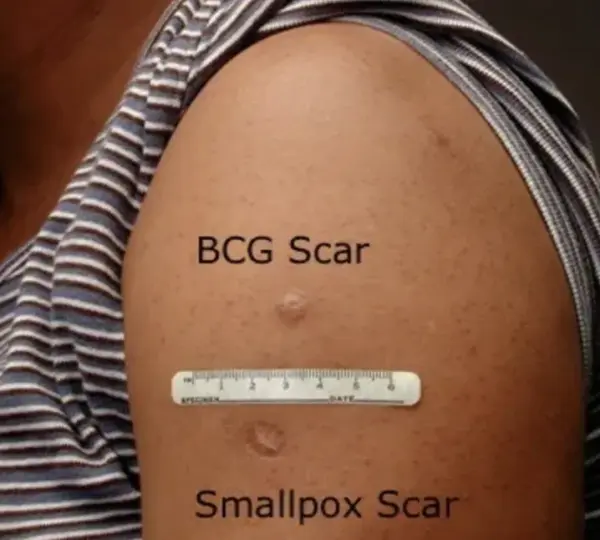
I have a clear and oddly vivid memory from childhood of noticing a distinct scar on my mother’s arm.
It sits high up, close to her shoulder, in a place that seems deliberately chosen, as if it were meant to be seen but not constantly noticed.
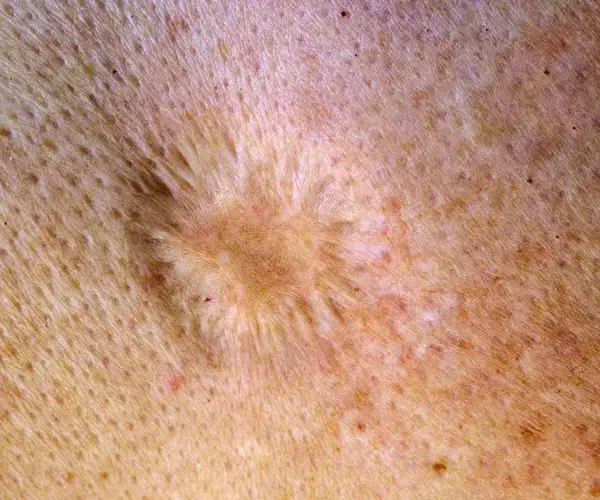
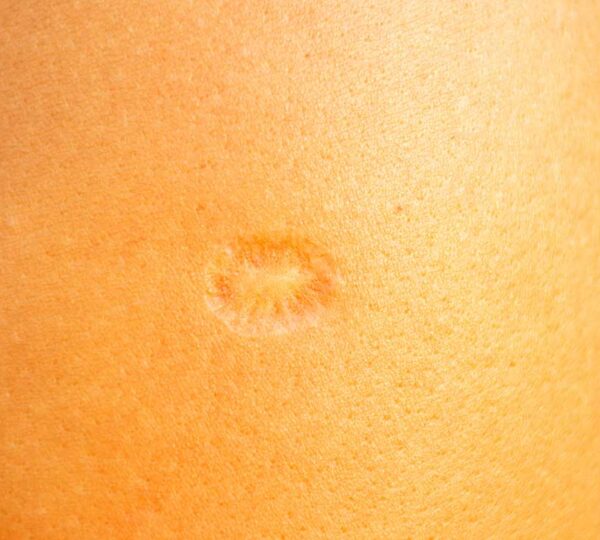
The scar has a unique shape: a ring of small indents arranged around a slightly larger one in the center. Even as a child, I knew it wasn’t an accident or an ordinary scrape.
It looked intentional, almost symbolic, like a mark with a story behind it.
I don’t remember why that scar captured my attention so strongly all those years ago. Children are often drawn to details without knowing why.
Maybe it was the unusual pattern, or maybe it was the way it stood out against otherwise smooth skin. Whatever the reason, I remember being aware of it, thinking about it, and wondering what could have caused something so precise.
As often happens with childhood curiosities, the question eventually faded into the background of my mind.
Of course, the scar itself never disappeared. It remained exactly where it always had been, unchanged by time. What disappeared was my fascination with it.
I forgot that I had once been deeply curious about its origin. Perhaps I even asked my mother about it back then, and perhaps she explained.
If she did, though, the explanation didn’t survive the many mental rewrites of memory that come with growing older. The question slipped quietly into obscurity.
Years passed without another thought about it.
Then, one summer several years ago, something unexpected happened. I was helping an elderly woman off a train, offering my arm as she stepped down carefully.
As she adjusted her grip, I caught sight of her upper arm—and there it was. The exact same scar. Same location. Same circular pattern. Same unmistakable appearance.
The sight stopped me in my tracks.
Suddenly, that old childhood curiosity came rushing back, sharper and more urgent than before. Seeing the scar on someone else made it impossible to dismiss as coincidence.
Clearly, this wasn’t unique to my mother. It was something shared. Something historical. Something deliberate.
I wanted to ask the woman about it right then and there, but the train was already preparing to continue its journey, and the moment passed too quickly.
Instead, I did the next best thing. I called my mother.
When I described what I had seen, she laughed gently and told me that yes, she had explained the scar to me before—more than once, in fact.
Apparently, my younger brain had decided the explanation wasn’t important enough to store permanently. The scar, she said, came from the smallpox vaccine.
That answer opened a door to a much larger story.
Smallpox was once one of the most feared diseases known to humanity. Caused by the variola virus, it was highly contagious and often devastating.
The disease typically began with fever, fatigue, and severe body aches, followed by a distinctive rash that spread across the body. The rash evolved into fluid-filled blisters that eventually scabbed over, often leaving deep, permanent scars.
According to the Centers for Disease Control and Prevention (CDC), during the height of smallpox outbreaks in the 20th century, approximately 3 out of every 10 people infected with the disease died.
Those who survived were frequently left with lifelong disfigurement, including pitted facial scars and, in some cases, blindness. Entire communities lived in fear of outbreaks, and families could be wiped out within weeks.
For centuries, smallpox shaped human history. It influenced wars, altered populations, and affected the course of civilizations. No one was immune to its reach.
The turning point came with the development and widespread distribution of the smallpox vaccine.
Unlike many modern vaccines, the smallpox vaccine was not based on a killed or weakened form of the virus itself, but rather on a related virus called vaccinia. This virus stimulated the immune system to recognize and fight smallpox without causing the disease.
Thanks to coordinated global vaccination efforts, smallpox was gradually pushed back. In the United States, the disease was effectively eliminated by 1952.
Routine smallpox vaccinations continued for several more decades, but by 1972, they were no longer part of standard immunization schedules for the general public.
In 1980, the World Health Organization officially declared smallpox eradicated worldwide—the first and only human disease to be completely eliminated.
For people born before the early 1970s, however, the vaccine was a routine part of childhood. And it left behind a visible reminder.
Up until that time, nearly all children received the smallpox vaccine, and it almost always resulted in a permanent scar.
In a way, it functioned like the world’s earliest vaccine passport: a mark that silently confirmed you had been protected against one of humanity’s deadliest diseases.
That scar—the one my mother bears, and the one I saw on the elderly woman’s arm—is a relic of that era.
So why did the smallpox vaccine leave such a distinctive scar?
The answer lies in how the vaccine was administered and how the body responded. Unlike today’s vaccines, which are usually delivered through a single injection into muscle tissue, the smallpox vaccine was applied to the skin using a special two-pronged needle.
The needle was dipped into the vaccine solution and then used to make multiple quick punctures in the upper layer of the skin.
These punctures delivered the vaccine into the dermis, the layer just below the surface. Rather than being absorbed quietly, the vaccine triggered a localized infection.
Over the following days, a small raised bump would appear at the vaccination site. This bump would develop into a vesicle—a small, fluid-filled blister—which would eventually break open, scab over, and heal.
The entire process took several weeks. During that time, the immune system learned to recognize and defend against smallpox.
The visible reaction was not a side effect in the modern sense, but rather a sign that the vaccine was working as intended.
When the scab finally fell off, it left behind a scar. The size and shape of the scar varied from person to person, but it almost always followed the same general pattern: a circular indentation, sometimes surrounded by smaller marks from the needle punctures. Over time, the scar faded slightly but never disappeared.
Today, that scar serves as a physical reminder of a battle humanity won.
It’s easy to overlook the significance of such marks in an age when many deadly diseases are no longer part of everyday life.
Modern medicine has made it possible to forget how vulnerable humans once were. But the smallpox scar tells a story of fear, resilience, and collective action.
It represents a moment in history when science, cooperation, and persistence overcame a threat that had plagued humanity for thousands of years.
Seeing that scar now feels different than it did when I was a child. What once seemed mysterious now feels meaningful.
It’s not just a mark on the skin; it’s evidence of survival, of progress, and of a shared human effort that transcended borders and generations.
That moment on the train reminded me how easily we forget the struggles that shaped the present. Diseases that once defined entire lifetimes have been reduced to footnotes in history books.
But for those who lived through them—or through the efforts to eradicate them—the memory remains, sometimes literally etched into their skin.
My mother’s scar is a small thing, easy to miss unless you know what you’re looking for. But now, when I see it, I don’t just see an old mark. I see a chapter of medical history.
I see proof of what coordinated public health efforts can achieve. I see a reminder that the comforts we take for granted today were earned through decades of research, sacrifice, and trust in science.
And every so often, when I notice that familiar circular pattern on someone else’s arm, I’m reminded that we carry history with us in ways we don’t always recognize—quietly, permanently, and meaningfully.
I have a clear and oddly vivid memory from childhood of noticing a distinct scar on my mother’s arm.
It sits high up, close to her shoulder, in a place that seems deliberately chosen, as if it were meant to be seen but not constantly noticed.
The scar has a unique shape: a ring of small indents arranged around a slightly larger one in the center. Even as a child, I knew it wasn’t an accident or an ordinary scrape.
It looked intentional, almost symbolic, like a mark with a story behind it.
I don’t remember why that scar captured my attention so strongly all those years ago. Children are often drawn to details without knowing why.
Maybe it was the unusual pattern, or maybe it was the way it stood out against otherwise smooth skin. Whatever the reason, I remember being aware of it, thinking about it, and wondering what could have caused something so precise.
As often happens with childhood curiosities, the question eventually faded into the background of my mind.
Of course, the scar itself never disappeared. It remained exactly where it always had been, unchanged by time. What disappeared was my fascination with it.
I forgot that I had once been deeply curious about its origin. Perhaps I even asked my mother about it back then, and perhaps she explained.
If she did, though, the explanation didn’t survive the many mental rewrites of memory that come with growing older. The question slipped quietly into obscurity.
Years passed without another thought about it.
Then, one summer several years ago, something unexpected happened. I was helping an elderly woman off a train, offering my arm as she stepped down carefully.
As she adjusted her grip, I caught sight of her upper arm—and there it was. The exact same scar. Same location. Same circular pattern. Same unmistakable appearance.
The sight stopped me in my tracks.
Suddenly, that old childhood curiosity came rushing back, sharper and more urgent than before. Seeing the scar on someone else made it impossible to dismiss as coincidence.
Clearly, this wasn’t unique to my mother. It was something shared. Something historical. Something deliberate.
I wanted to ask the woman about it right then and there, but the train was already preparing to continue its journey, and the moment passed too quickly.
Instead, I did the next best thing. I called my mother.
When I described what I had seen, she laughed gently and told me that yes, she had explained the scar to me before—more than once, in fact.
Apparently, my younger brain had decided the explanation wasn’t important enough to store permanently. The scar, she said, came from the smallpox vaccine.
That answer opened a door to a much larger story.
Smallpox was once one of the most feared diseases known to humanity. Caused by the variola virus, it was highly contagious and often devastating.
The disease typically began with fever, fatigue, and severe body aches, followed by a distinctive rash that spread across the body. The rash evolved into fluid-filled blisters that eventually scabbed over, often leaving deep, permanent scars.
According to the Centers for Disease Control and Prevention (CDC), during the height of smallpox outbreaks in the 20th century, approximately 3 out of every 10 people infected with the disease died.
Those who survived were frequently left with lifelong disfigurement, including pitted facial scars and, in some cases, blindness. Entire communities lived in fear of outbreaks, and families could be wiped out within weeks.
For centuries, smallpox shaped human history. It influenced wars, altered populations, and affected the course of civilizations. No one was immune to its reach.
The turning point came with the development and widespread distribution of the smallpox vaccine.
Unlike many modern vaccines, the smallpox vaccine was not based on a killed or weakened form of the virus itself, but rather on a related virus called vaccinia. This virus stimulated the immune system to recognize and fight smallpox without causing the disease.
Thanks to coordinated global vaccination efforts, smallpox was gradually pushed back. In the United States, the disease was effectively eliminated by 1952.
Routine smallpox vaccinations continued for several more decades, but by 1972, they were no longer part of standard immunization schedules for the general public.
In 1980, the World Health Organization officially declared smallpox eradicated worldwide—the first and only human disease to be completely eliminated.
For people born before the early 1970s, however, the vaccine was a routine part of childhood. And it left behind a visible reminder.
Up until that time, nearly all children received the smallpox vaccine, and it almost always resulted in a permanent scar.
In a way, it functioned like the world’s earliest vaccine passport: a mark that silently confirmed you had been protected against one of humanity’s deadliest diseases.
That scar—the one my mother bears, and the one I saw on the elderly woman’s arm—is a relic of that era.
So why did the smallpox vaccine leave such a distinctive scar?
The answer lies in how the vaccine was administered and how the body responded. Unlike today’s vaccines, which are usually delivered through a single injection into muscle tissue, the smallpox vaccine was applied to the skin using a special two-pronged needle.
The needle was dipped into the vaccine solution and then used to make multiple quick punctures in the upper layer of the skin.
These punctures delivered the vaccine into the dermis, the layer just below the surface. Rather than being absorbed quietly, the vaccine triggered a localized infection.
Over the following days, a small raised bump would appear at the vaccination site. This bump would develop into a vesicle—a small, fluid-filled blister—which would eventually break open, scab over, and heal.
The entire process took several weeks. During that time, the immune system learned to recognize and defend against smallpox.
The visible reaction was not a side effect in the modern sense, but rather a sign that the vaccine was working as intended.
When the scab finally fell off, it left behind a scar. The size and shape of the scar varied from person to person, but it almost always followed the same general pattern: a circular indentation, sometimes surrounded by smaller marks from the needle punctures. Over time, the scar faded slightly but never disappeared.
Today, that scar serves as a physical reminder of a battle humanity won.
It’s easy to overlook the significance of such marks in an age when many deadly diseases are no longer part of everyday life.
Modern medicine has made it possible to forget how vulnerable humans once were. But the smallpox scar tells a story of fear, resilience, and collective action.
It represents a moment in history when science, cooperation, and persistence overcame a threat that had plagued humanity for thousands of years.
Seeing that scar now feels different than it did when I was a child. What once seemed mysterious now feels meaningful.
It’s not just a mark on the skin; it’s evidence of survival, of progress, and of a shared human effort that transcended borders and generations.
That moment on the train reminded me how easily we forget the struggles that shaped the present. Diseases that once defined entire lifetimes have been reduced to footnotes in history books.
But for those who lived through them—or through the efforts to eradicate them—the memory remains, sometimes literally etched into their skin.
My mother’s scar is a small thing, easy to miss unless you know what you’re looking for. But now, when I see it, I don’t just see an old mark. I see a chapter of medical history.
I see proof of what coordinated public health efforts can achieve. I see a reminder that the comforts we take for granted today were earned through decades of research, sacrifice, and trust in science.
And every so often, when I notice that familiar circular pattern on someone else’s arm, I’m reminded that we carry history with us in ways we don’t always recognize—quietly, permanently, and meaningfully.
The cold that evening cut straight through layers of wool and routine, the kind of winter chill that makes a long workday feel heavier than it already is. I had just finished another late shift at the sporting goods store where I’d worked for nearly two decades. After seventeen years of marriage, two teenagers, and an endless cycle of responsibilities, I thought I’d seen everything life could throw at me. That illusion disappeared somewhere between the bus stop and a small shawarma stand glowing under flickering streetlights .
The day itself had been exhausting in ways that stack quietly until they become overwhelming. Holiday shoppers argued over refunds for gear they’d clearly used. One of the registers jammed repeatedly. My daughter had texted me about failing another math test, and my mind was already calculating the cost of tutoring, adjusting budgets, and shifting priorities. The temperature had dropped well below freezing, the wind slicing between buildings and pushing scraps of paper down the sidewalk like reminders of everything unfinished.
I almost walked past the shawarma stand. The food was good, fast, and cheap, but the vendor’s permanent scowl usually kept me moving. That night, though, something made me slow down. A man stood a few feet away, maybe in his mid-fifties, his shoulders hunched against the cold. Beside him was a small dog, thin, shivering, pressed tightly against his leg. Both stared at the rotating meat with the kind of quiet hunger that doesn’t beg, because it’s learned that begging often changes nothing.
When the man finally spoke, his voice was barely audible. He asked for hot water. Nothing more.
The vendor snapped at him, loud enough to turn heads. “This isn’t a charity. Move along.” The man flinched. The dog tucked itself closer. In that moment, my grandmother’s voice surfaced in my mind, as clear as if she were standing beside me. She used to tell me stories about hunger, about the way one small kindness had once kept her family alive during a winter much harsher than this one. “Kindness costs nothing,” she’d say, “but it can change everything.”
I ordered without thinking. Two shawarmas. Two coffees. One for the man, one for the dog to share warmth from the container. The vendor took my money without comment and shoved the order across the counter. I caught up to the man before he could leave.
When I handed him the food, his hands shook violently. He whispered a blessing I wasn’t sure I deserved. I nodded, embarrassed by the attention, eager to get home and sink into the familiar chaos of family life. I had already turned away when he stopped me.
“Wait,” he said softly.
He pulled out a pen and a scrap of paper, scribbled something quickly, and pressed it into my hand. “Read it later,” he said, his expression strange but gentle. I slipped the note into my coat pocket and rushed off, already worrying about whether there would be a seat on the bus.
That night passed like any other. Homework spread across the kitchen table. Complaints about teachers. My husband talking about a new client at his law firm. Life continued, loud and demanding. The note stayed forgotten until the next evening, when I emptied my coat pockets before doing laundry.
The words on the paper stopped me cold.
“Thank you for saving my life. You don’t know this, but you already saved it once before.”
Below that was a date from three years earlier and the name of a café I hadn’t thought about in ages. Lucy’s Café. It had been my regular lunch spot before it closed.
The memory came back with startling clarity. A thunderstorm. People crowding inside to escape the rain. A man stumbling in, soaked, eyes hollow, carrying something heavier than hunger. The waitress hesitated. Everyone else looked away. I had bought him coffee and a croissant, smiled, and wished him a good day. It hadn’t felt important. Just normal decency.
That night, sleep wouldn’t come. The idea that something so small had mattered so deeply refused to let go.
The next day, I left work early and went back to the shawarma stand. He was there, huddled in the same spot, his dog curled beside him. When he saw me, the dog wagged its tail, and the man smiled in a way that looked fragile but real.
I told him I’d read the note. He nodded. He told me his name was Victor.
We sat in a café nearby, warming our hands around mugs of coffee. I learned that he had once been a truck driver with a wife and a daughter. A rainy-night accident had shattered his leg and buried him under medical debt. Disability benefits never came. His marriage collapsed under the weight of stress and loss. Depression followed, slow and consuming.
He told me that the day we first met, at Lucy’s Café, he hadn’t planned to survive the night. That being seen, even briefly, had given him one more day. Then another. Then another. Finding his dog had given him a reason to keep going when nothing else remained.
I realized then how fragile the line is between stability and collapse, how quickly lives can unravel without safety nets, access to healthcare, or mental health support. Concepts we debate abstractly—economic inequality, housing insecurity, social services—were sitting across from me, breathing quietly, hoping for warmth.
That evening changed the way I understood responsibility. With my husband’s legal expertise, we began helping Victor navigate disability claims, replace stolen documents, and secure shelter that would allow his dog to stay with him. My children helped set up online fundraising pages. Friends donated clothes and essentials. A month later, Victor had a small room, a job at a warehouse, and a future that no longer felt imaginary.
A year later, on my birthday, my doorbell rang. Victor stood there, clean-shaven, confident, holding a cake from a local bakery. His dog wore a new collar. He thanked me again, not with drama, but with quiet gratitude that carried more weight than praise ever could.
As we shared cake in our living room, I thought about how close I’d come to walking past him that night, absorbed in my own problems. How many others were waiting, unseen, for someone to pause.
That’s the truth that stayed with me. Kindness isn’t dramatic. It doesn’t announce itself. But in a world shaped by financial pressure, mental health crises, and widening social gaps, it can become a lifeline. Not once, but again and again.
There are photographs that simply document a moment, and then there are photographs that quietly capture a turning point. The original, unedited image from the 1972 Academy Awards belongs firmly in the second category. The longer you study it, the more it feels like a freeze-frame of Hollywood mid-transformation—caught between the polished elegance of its past and the raw, unsettled energy of what was coming next. This was not just another awards ceremony. It was an industry holding its breath while changing shape in real time.
The 44th Academy Awards, held at the Dorothy Chandler Pavilion in Los Angeles, unfolded during a period when American cinema was shedding old skin. The studio system that once dictated tone, content, and morality had loosened its grip. In its place emerged films that felt riskier, more confrontational, and less interested in comforting audiences. The Oscars that year reflected that shift with remarkable clarity.
At the center of the night stood The French Connection, which claimed Best Picture and five Oscars overall. Its victory was more than a win for a single film; it was a declaration of appetite. Viewers and voters alike were drawn to its grit, its street-level realism, and its refusal to romanticize authority. This was not escapism wrapped in glamour. It was tension, exhaustion, and moral ambiguity played straight. In honoring it, the Academy acknowledged that seriousness in cinema no longer had to look refined or polite.
That recognition extended to Gene Hackman, whose Best Actor win for his portrayal of Popeye Doyle remains one of the most emblematic Oscar moments of the era. Hackman did not fit the classical mold of a movie star. He looked worn, intense, and unvarnished—more like a man shaped by his work than elevated above it. When he later described the grueling production, his words matched the film’s texture: long winter shoots, relentless pressure, and a director who demanded everything. It felt like a performance forged under strain rather than polished under lights.
What made the 1972 Oscars particularly fascinating was not just what won, but what shared the stage. A Clockwork Orange stood as a provocation—violent, philosophical, and deeply polarizing—challenging audiences to confront discomfort rather than retreat from it. Meanwhile, Fiddler on the Roof reminded viewers that tradition, music, and emotional sweep still held power, even as cinematic language evolved. The coexistence of these films on one ballot spoke volumes about an industry unsure where it was headed, but certain it could no longer stay still.
Then there was The Last Picture Show, a quiet, devastating portrait of fading youth and vanishing small-town America. Its wins for Cloris Leachman and Ben Johnson felt less like spectacle and more like acknowledgment. These performances didn’t shout for attention. They lingered. They bruised. The Academy’s recognition suggested a growing respect for subtlety and character over scale.
Outside the Dorothy Chandler Pavilion, the world pressed in. The Oscars did not exist in a vacuum that year. Protests gathered near the venue, including demonstrations connected to Dirty Harry, reflecting broader anxieties about violence, authority, and the cultural direction of American storytelling. The tension between art and politics was not theoretical; it was visible on the streets. The ceremony felt porous, influenced by the same unrest shaping the nation.
Inside, music carried its own revolution. Isaac Hayes won Best Original Song for “Theme from Shaft,” a landmark moment that resonated far beyond the category itself. His win symbolized a shift in whose voices were being amplified and what kinds of stories were being validated. Unlike modern broadcasts where musical performances often feel like intermissions, the music that night felt integral—another signal that the culture was broadening its definition of excellence.
Yet the emotional center of the evening belonged unmistakably to Charlie Chaplin. After decades of exile and controversy, his return to accept an honorary award produced what is still cited as the longest standing ovation in Oscar history—roughly twelve minutes of uninterrupted applause. It was not loud for effect. It was sustained, collective, and deeply human. In that moment, the room acknowledged not just a career, but the complicated relationship between legacy, politics, forgiveness, and time.
Chaplin’s brief remarks landed precisely because they were unpolished. He did not perform humility; he expressed it. The applause that followed felt less like celebrity worship and more like reconciliation—a room full of people recognizing that art outlives the eras that judge it.
When you look closely at the original photograph from that night, what stands out is not perfection, but friction. The audience appears attentive rather than distracted. The winners look surprised rather than rehearsed. The atmosphere feels charged, not curated. Hollywood, in that instant, seemed aware that it was redefining itself—experimenting, arguing, and listening all at once.
That is why comparisons to modern ceremonies so often feel unflattering. It is not that contemporary cinema lacks talent or ambition. It is that nights like 1972 carried the sensation of risk. The industry was not celebrating consensus; it was negotiating identity. The applause contained uncertainty. The controversy felt alive. The victories mattered because they signaled direction, not just success.
The unedited Oscars photo endures because it documents that tension honestly. It shows a moment when glamour had not yet been fully smoothed into branding, when rebellion had not yet been packaged, and when legacy and disruption shared the same stage without apology. It is a reminder that cinema evolves most powerfully when it is willing to sit with discomfort, contradiction, and change.
That single night did more than distribute statues. It captured Hollywood in motion—handing the microphone to a new generation while still acknowledging the ghosts that built the room. And that is why, decades later, the image still invites us to look closer, to read between the smiles, and to remember what it feels like when an art form is brave enough to reinvent itself in public
Many people believe that if food looks clean, smells normal, and tastes fine, it is automatically safe to eat. This belief is one of the most misleading and dangerous ideas in modern nutrition. Some of the greatest threats to human health are invisible—they don’t cause obvious spoilage or unpleasant flavors. Instead, they operate quietly, surviving refrigeration, withstanding moderate heat, and causing harm long before clear symptoms appear. Parasites are a prime example, and in some cases, even a single mouthful can lead to serious consequences.
Parasitic infections are not rare or limited to distant, underdeveloped regions. The World Health Organization estimates that over 3.5 billion people worldwide are affected by parasites each year. These organisms enter the body through contaminated food and water, bypass immune defenses, and can remain inside a person for months or even years. Unlike bacteria, parasites are complex life forms capable of moving through tissues, settling in organs, and causing long-term illnesses that are often difficult to detect and treat.
Common parasites include tapeworms such as Taenia solium and Diphyllobothrium, roundworms like Trichinella spiralis and Anisakis, and protozoa including Toxoplasma gondii, Giardia lamblia, and Cryptosporidium. These organisms are highly resilient. Many survive refrigeration, resist chlorine, and are not reliably destroyed by light cooking. Once inside the body, they may lead to digestive problems, nutrient deficiencies, chronic fatigue, neurological issues, and in severe cases, organ failure or death.
One of the most significant sources of parasitic infection is undercooked meat. Pork poses a particularly high risk when eaten raw or insufficiently cooked. Trichinella spiralis causes trichinosis, a disease in which larvae migrate into muscle tissue, resulting in pain, swelling, fever, and lasting weakness. Even more dangerous is Taenia solium, the pork tapeworm. If its eggs enter the bloodstream, they can travel to the brain and cause cysticercosis, a condition linked to seizures, vision problems, and cognitive damage. For this reason, raw pork should never be consumed.
Beef also carries risks, especially when eaten rare or raw, such as in steak tartare. Taenia saginata, the beef tapeworm, can grow several meters long in the intestine, depriving the body of nutrients and causing abdominal discomfort, weight loss, and anemia. Though often considered mild, untreated infections can last for years and significantly reduce quality of life.
Fish and seafood present another less obvious danger, particularly with the popularity of sushi, ceviche, and smoked fish. Anisakis worms can embed in the stomach or intestinal lining, causing severe pain, vomiting, and allergic reactions. The fish tapeworm Diphyllobothrium can lead to vitamin B12 deficiency and neurological complications. While fish labeled “sushi-grade” is frozen to reduce parasite risk, freezing is not completely reliable, and poor handling increases the chance of infection.
Shellfish such as oysters, clams, and mussels are especially risky because they filter large volumes of water. In doing so, they accumulate parasites and protozoa from contaminated environments, including sewage-polluted waters. Raw shellfish has been associated not only with bacteria and viruses but also with parasites like Cryptosporidium and Giardia, which cause severe and prolonged gastrointestinal illness. Thorough cooking—until shells open and flesh becomes opaque—is essential, particularly for pregnant individuals and those with weakened immune systems.
Fresh fruits and vegetables are often assumed to be safe by default, yet unwashed produce is a major source of parasitic infection worldwide. Crops grown in soil contaminated with animal or human waste can carry microscopic eggs and cysts that survive for long periods. Toxoplasma gondii is especially dangerous during pregnancy, as it can lead to miscarriage or serious birth defects. Giardia and Cyclospora can cause long-lasting diarrhea, bloating, dehydration, and impaired nutrient absorption.
Safe handling of produce is essential. All fruits and vegetables should be washed thoroughly under running water, not merely rinsed. Firm produce should be scrubbed with a brush to remove surface contaminants. Leafy greens benefit from soaking briefly in a diluted vinegar solution, followed by a thorough rinse. Peeling can reduce risk but does not replace washing, as contamination can spread during preparation.
Unpasteurized dairy products are another frequently overlooked risk. Raw milk, soft cheeses, and unpasteurized yogurt can contain parasites such as Cryptosporidium, Giardia, and Toxoplasma. These organisms tolerate cold conditions and resist common sanitation methods. Pasteurization exists for a reason: heat effectively destroys parasites. Pregnant individuals, children, and those with compromised immune systems should avoid unpasteurized dairy altogether.
Contaminated water remains one of the most common and dangerous transmission routes. Drinking unsafe water, brushing teeth with it, or washing produce in it can introduce parasites directly into the body. Giardia causes severe diarrhea and fatigue, Entamoeba histolytica can lead to amoebic dysentery and liver abscesses, and Cryptosporidium causes intense diarrhea while resisting chlorine, making it a concern even in treated water systems.
Travel increases exposure risk, particularly in areas with poor water sanitation. Drinking bottled or properly filtered water, boiling water for at least one minute, avoiding ice, and being cautious with raw foods are key preventive steps.
Preventing parasitic infections does not require fear, only awareness and consistency. Cooking meat to safe internal temperatures reliably destroys parasites. Pork should reach 145°F (63°C) with a resting period, ground beef 160°F (71°C), and fish 145°F (63°C) until opaque and flaky. Fish intended for raw consumption should be frozen at -4°F (-20°C) for seven days to reduce risk, though this is not foolproof.
Thoroughly washing produce removes surface contaminants and parasite eggs. Avoiding raw or undercooked meat and seafood significantly lowers exposure. Drinking clean, treated water prevents some of the most serious infections known in medicine.
Real health is not about ignoring invisible risks or acting recklessly. It is about informed decisions, respect for biology, and simple habits that protect long-term well-being. An extra minute of cooking, careful washing of vegetables, or choosing pasteurized products can make the difference between nourishment and disease.
Food should support health, not quietly compromise it. Awareness is not fear—it is the foundation of safety, longevity, and true wellness.
In the competitive landscape of alternative medicine and the rapidly growing global wellness market, the search for potent, plant-based interventions has led researchers and health enthusiasts alike back to the fundamentals of phytotherapy. Among the most versatile yet underutilized tools in the modern apothecary is black pepper essential oil. Derived from the Piper nigrum plant, this volatile compound is far more than a culinary staple; it is a sophisticated bio-active agent with significant implications for holistic health management, addiction recovery, and chronic pain relief. As we move into 2026, the integration of high-purity essential oils into daily wellness protocols is becoming a cornerstone of preventative healthcare for those seeking to minimize their reliance on synthetic pharmaceuticals.
One of the most profound applications of black pepper essential oil is its role as a strategic ally in smoking cessation and the broader management of substance dependencies. The journey to quitting smoking is often fraught with neurological hurdles, primarily centered on the dopamine reward system and the physical cravings associated with nicotine withdrawal. Clinical observations suggest that the inhalation of black pepper oil vapor can simulate the sensory “hit” of tobacco smoke in the chest and throat, providing a non-toxic behavioral substitute that calms the nervous system. By utilizing aromatherapy as a form of cognitive behavioral support, individuals can significantly reduce the frequency of intense cravings and manage the irritability, anxiety, and stress levels that typically sabotage a long-term sobriety plan. This natural intervention offers a high return on investment for public health, as it addresses the psychological and physiological roots of addiction without the side effects of traditional nicotine replacement therapies.
Beyond the realm of addiction, black pepper essential oil serves as a powerful metabolic regulator. Emerging studies in nutritional biochemistry highlight the oil’s ability to influence the excretion of metabolic byproducts, specifically uric acid. High levels of uric acid in the bloodstream are a primary precursor to gout and can exacerbate various inflammatory conditions. By promoting healthy circulation and supporting the body’s natural detoxification pathways, black pepper oil helps facilitate the elimination of these waste products. This makes it an essential component of a comprehensive wellness strategy for individuals struggling with metabolic syndrome or those looking to optimize their kidney health and internal pH balance.
For the millions of individuals globally living with musculoskeletal disorders, the warming properties of black pepper oil offer a revolutionary approach to pain management. Chronic conditions such as rheumatoid arthritis, osteoarthritis, and general rheumatism are characterized by restricted blood flow and persistent inflammation in the joints. When applied topically through a professional massage therapy technique—always diluted in a high-quality carrier oil like jojoba or fractionated coconut oil—black pepper oil acts as a potent rubefacient. This means it stimulates localized blood circulation, bringing heat and oxygenated blood to stiff, painful areas. This increase in peripheral blood flow not only reduces muscle rigidity but also helps to disperse the localized inflammatory markers that cause “morning stiffness.” For athletes and those in high-intensity fitness programs, the oil serves as an excellent pre-workout warming agent, enhancing muscle elasticity and reducing the risk of strain.
The psychological benefits of this oil are equally compelling, particularly in the context of mental health awareness and the management of chronic stress. The spicy, grounding aroma of black pepper functions as a natural nervous system tonic. In a world where burnout and high-functioning anxiety are becoming systemic, incorporating diffuser blends that feature black pepper can help sharpen focus and restore mental clarity. It is often categorized by holistic practitioners as an “energizing” oil, one that provides a boost to the adrenal system without the jitters associated with caffeine. For those undergoing occupational therapy or managing high-stress corporate careers, using black pepper oil as a sensory anchor can improve productivity and emotional resilience.
Furthermore, the oil contains a high concentration of limonene and pinene, terpenes that are widely recognized in biotechnology for their antioxidant and anti-microbial properties. These compounds assist in neutralizing free radicals, which are unstable molecules that contribute to oxidative stress and cellular aging. By incorporating black pepper oil into a longevity-focused lifestyle, individuals can support their immune system’s ability to defend against environmental toxins. This bio-hacking approach to health is gaining traction among those who utilize wearable health technology to track their heart rate variability and recovery times, as the oil’s ability to soothe the autonomic nervous system can be directly observed in improved sleep scores and lower resting heart rates.
In the context of digestive health, black pepper oil has been used for centuries to stimulate the secretion of hydrochloric acid in the stomach. Proper acid levels are vital for the absorption of nutrients and the prevention of intestinal gas and bloating. While essential oils should generally not be ingested without the guidance of a certified clinical nutritionist, the topical application of the oil over the abdomen can still provide a warming sensation that supports peristalsis and eases discomfort. This makes it a valuable tool for individuals managing Irritable Bowel Syndrome (IBS) or other gastrointestinal sensitivities where stress is a major trigger.
As the global e-commerce market for organic and therapeutic-grade oils continues to expand, it is crucial for consumers to prioritize product transparency and third-party testing, such as GC/MS reports. These reports ensure that the oil is free from synthetic adulterants and contains the specific chemical markers necessary for therapeutic efficacy. For those investing in their long-term health, choosing a “seed-to-seal” brand represents a commitment to quality assurance that pays dividends in terms of safety and results.
In conclusion, black pepper essential oil is a multifaceted biological asset that addresses the most pressing health challenges of the modern era. Whether it is used to break the cycle of nicotine addiction, provide relief from the agonizing symptoms of chronic arthritis, or simply to provide an energy boost during a mid-afternoon slump, its value cannot be overstated. By blending traditional herbal wisdom with modern scientific validation, we can unlock new pathways to optimal health and vitality. As we continue to refine our understanding of plant-based medicine, black pepper oil stands out as a “super-oil,” a versatile and effective remedy for the mind, the body, and the spirit, ensuring that the path to wellness is as spicy and vibrant as life itself.
Two young brothers, home only because school was canceled due to dangerous cold, never made it out alive. Julian, just four years old, and Jamison, six, should have been spending the day bundled up, watching cartoons, asking for snacks, waiting for the snow to melt. Instead, they were trapped inside their own home as an explosion tore through it, turning a place of safety into a prison of flames. Their mother escaped. Their grandparents escaped. But the boys did not. In Defiance, Missouri, a small town now frozen in shock and grief, investigators continue to search through the ruins, trying to understand how such devastation could happen in a single, brutal moment.
It was a bitterly cold Friday, the kind of cold that shuts down schools and keeps families indoors. The cancellation felt like a small gift at first—an unexpected day together. No morning rush. No backpacks. No bus stop. Just home. But sometime after, that ordinary winter morning turned catastrophic. A powerful explosion ripped through the house, shattering walls and sending flames racing through the structure faster than anyone could react.
Evelyn Turpiano, the boys’ mother, and their grandparents, Jennifer and Vern Ham, managed to get out. Injured, disoriented, and terrified, they escaped into the freezing air, only to realize the unimaginable truth: Julian and Jamison were still inside. From outside, there was nothing they could do but scream their names as fire consumed everything they loved.
Neighbors watched in horror as smoke rose into the cold sky. Sirens pierced the quiet town as firefighters arrived and rushed to battle the blaze. They fought with urgency and determination, but the intensity of the fire and the instability of the structure made entry nearly impossible. Parts of the house collapsed. The heat became overwhelming. Despite every effort, responders could not reach the boys in time.
When the fire was finally brought under control, what remained was silence, ashes, and devastation. The home was destroyed. Two young lives were gone. A family was changed forever.
Now, investigators are left combing through the wreckage, searching for answers. The cause of the explosion has not yet been determined, leaving behind a painful uncertainty that only deepens the family’s grief. Was it a gas leak? A structural failure? Something else entirely? For now, there is no explanation—only questions that may never fully ease the pain.
The Hoffmann Family of Companies, the owner of the property, has pledged support to the family in the aftermath. But support, money, and words cannot replace what was lost. They cannot refill the empty beds, restore the laughter that once echoed through the house, or repair the shattered sense of safety that disappeared in seconds.
In Defiance, the loss hangs heavy. A community mourns two boys whose lives ended far too soon. Julian and Jamison are remembered not for the tragedy that took them, but for who they were—children full of energy, curiosity, and promise. Their absence is felt in classrooms they will never return to, in birthdays that will never be celebrated, and in a mother’s world forever divided into before and after.
What began as an unexpected day at home became a nightmare that no family should ever endure. And as the town grieves, one truth remains painfully clear: sometimes, disaster doesn’t announce itself. It arrives quietly, on an ordinary day, and leaves behind a silence that nothing can fill.
A wave of shock and urgency spread across newsrooms and emergency channels late today as reports confirmed that a passenger aircraft carrying more than 244 people has crashed, triggering a large-scale emergency response and plunging an entire region into crisis. Authorities acknowledged the incident only moments after it occurred, as first responders raced against time toward the crash site under conditions described as chaotic and dangerous.
Eyewitnesses near the area recounted scenes of intense confusion and fear. Thick plumes of smoke rose into the sky, visible from miles away, while flashes of fire cut through the horizon. Residents described the sound as “thunder tearing through the air,” followed by an eerie silence broken only by sirens. Within minutes, emergency hotlines were overwhelmed as bystanders attempted to report what they had seen, unsure whether anyone could have survived the initial impact.
The aircraft, operating as a commercial passenger flight, was carrying more than 244 individuals, including passengers and crew. At this stage, officials have not released confirmed details regarding the airline, flight number, or point of departure, citing the need to verify information before making public statements. Aviation authorities emphasized that accuracy is critical in situations of this magnitude, especially as families around the world anxiously await updates.
Emergency services moved swiftly. Fire crews, paramedics, law enforcement, and specialized aviation disaster response teams were dispatched within minutes. Nearby hospitals activated mass casualty protocols, clearing emergency rooms, preparing trauma units, and placing medical staff on immediate standby. Airspace over the crash zone was restricted as rescue helicopters and surveillance aircraft began coordinated operations above the site.
Rescue efforts are being described as extremely challenging. Initial reports indicate difficult terrain and hazardous conditions caused by fire, debris, and structural instability. Teams on the ground are working carefully to access wreckage while minimizing further risk. Officials confirmed that search-and-rescue operations remain the top priority, with every available resource focused on locating survivors and providing urgent medical aid where possible.
As the situation continues to unfold, aviation experts have begun offering preliminary analysis, stressing that it is far too early to determine the cause of the crash. However, they note that investigations in such cases typically examine multiple factors simultaneously. Potential causes may include mechanical failure, severe weather interference, navigational complications, or pilot distress. Experts also cautioned against speculation, emphasizing that modern aircraft incidents often result from a complex chain of events rather than a single failure.
Weather data from the region is currently under review, as are air traffic communications and radar records. Flight data recorders and cockpit voice recorders, commonly referred to as “black boxes,” will be critical in the formal investigation once recovered. These devices provide detailed insight into aircraft performance and crew decision-making in the moments leading up to an accident, and they are central to understanding what went wrong.
For families of those onboard, the waiting is agonizing. Crisis support centers have been established to assist relatives seeking information, offering counseling services and direct communication channels with authorities. Officials urged the public to rely only on verified updates and to avoid spreading unconfirmed information, particularly on social media, where misinformation can intensify distress during breaking news events.
Government agencies have acknowledged the incident and pledged full cooperation in the investigation. Transportation safety officials confirmed that an independent review process will be launched immediately, consistent with international aviation safety standards. Such investigations are known to be thorough and can take months or even years to conclude, as every component—from aircraft maintenance records to crew training histories—is examined.
This tragedy has once again placed global aviation safety under intense public scrutiny. Despite commercial air travel being statistically one of the safest modes of transportation, rare catastrophic events like this carry enormous emotional impact. Analysts note that each incident prompts renewed evaluation of safety protocols, emergency preparedness, and technological safeguards designed to prevent future loss of life.
As night falls, the crash site remains illuminated by emergency lighting, with rescue crews continuing their work under floodlights. Officials have not yet released casualty figures, stating that confirmation requires careful verification. They emphasized that premature numbers can cause unnecessary harm and confusion, particularly for families desperate for accurate information.
The coming hours are expected to bring further updates as authorities assess the situation more fully. Press briefings are anticipated once officials can confirm details regarding the flight, the passengers, and the scope of the damage. Until then, the focus remains firmly on rescue operations, medical response, and ensuring that all possible measures are taken to save lives.
This developing story stands as a sobering reminder of how quickly ordinary routines can be shattered by unforeseen disaster. As emergency crews work tirelessly and investigators prepare for a long and complex process ahead, communities around the world pause in collective concern, hoping for survivors and answers amid uncertainty.
More information will be released as it becomes available.
Priscilla Presley’s name evokes memories of elegance, glamour, and a beauty that defined an era.
From her early years as the young bride of Elvis Presley to her continued presence in Hollywood, she captured the public imagination with her poise, charm, and distinctive features.
Yet, her story took a dark and shocking turn when a cosmetic treatment went disastrously wrong, reshaping not just her appearance but the way the public perceived her.
Today, as Priscilla celebrates her 80th year, artificial intelligence allows us to reimagine what she might have looked like had her beauty not been permanently altered by a predator posing as a doctor.
This story is both a cautionary tale and a reflection on the fragile nature of fame and beauty.
By exploring it in detail, we gain a deeper understanding of the risks celebrities face, the pressures of public scrutiny, and the enduring allure of Priscilla Presley’s once-iconic look.
The Scammer Masquerading as a Doctor
The nightmare began on March 25, 2008, when TMZ broke the news that Priscilla Presley had fallen victim to a cosmetic scam.
At the time, she was participating in Season 6 of Dancing with the Stars, and fans had already begun noticing subtle changes in her appearance.
The culprit, Dr. Daniel Serrano, had presented himself as a highly skilled cosmetic specialist capable of delivering results “better than Botox.”
Serrano, an Argentinian, was a smooth-talking grifter and Hollywood gigolo who had infiltrated elite social circles with promises of miracle treatments.
Behind the charm, however, was a chilling reality: he was injecting industrial-grade silicone, the kind typically used to lubricate machinery overseas, directly into clients’ faces. None of the substances were FDA-approved, and Serrano had been smuggling them into the United States.
A House of Horrors Hidden in Syringes
Investigations later revealed the full extent of Serrano’s deception.
According to People magazine, the “treatment” he administered consisted of a mixture of synthetic collagen and tiny solid beads — substances legal in certain countries but illegal and highly dangerous for cosmetic use in the U.S. Serrano charged between $300 and $500 per injection, paid directly to him, with no professional oversight.
Priscilla Presley was far from the only victim. Other high-profile figures, including Shawn Southwick-King (then-wife of Larry King) and Diane Richie (then-wife of Lionel Richie), were ensnared in Serrano’s schemes.
The scam even included so-called “injection parties” where multiple women received dangerous treatments at private homes.
Reports from victims documented horrifying outcomes: lumps, paralysis, facial deformities, and permanent scarring.
Southwick-King, for example, suffered a lip lump that made speaking and drinking difficult.
Because of his methods and the dangers he inflicted, Serrano earned the nickname “Dr. Jiffy Lube.” In November 2004, federal authorities indicted him on charges of drug smuggling, conspiracy, and administering unapproved substances.
He was sentenced to 18 months in prison but had been released by the time TMZ’s story went public in 2008. Some of his alleged accomplices, including Diane Richie, faced legal consequences; Richie received probation after pleading out.
Priscilla Presley Speaks Out
Just a day after TMZ’s report, Presley’s representatives confirmed the story, making public the harrowing ordeal she had endured.
Ellen Lavinthal, another victim, described Serrano as “charming” and manipulative, capable of exploiting the trust and vulnerability of women.
Unfortunately, the damage to Presley’s face was irreversible. Even years later, the consequences of that single, catastrophic cosmetic decision are visible.
The public reaction has been mixed, reflecting a harsh reality faced by many celebrities: the combination of fame and misfortune often results in relentless scrutiny.
In September 2025, Presley appeared on The Tamron Hall Show wearing her signature red hair and a stylish off-white outfit.
A clip of her dancing went viral online, prompting a wave of commentary. Social media users were quick to criticize her appearance:
“Whats wrong with her face ”
“Shes all botox”
“What did she do to her face ?”
“Wow she no longer looks like herself…so sad”
Other posts were even more severe, lamenting the loss of her natural beauty and questioning who was responsible for the permanent changes.
The comments illustrate the intense and sometimes cruel nature of public scrutiny, especially when a celebrity’s appearance shifts in ways they cannot fully control.
The Face That Once Captivated a Generation
To understand the impact of Serrano’s scam, it’s important to recall the beauty Priscilla Presley possessed in her youth.
When she married Elvis Presley in 1967 at the age of 21, she was a vision of elegance: flowing dark hair, piercing blue eyes, and a symmetrical, photogenic face that captivated the world.
During the 1970s, her beauty continued to shine. Plump lips, luminous skin, and carefully framed features made her appear more like a model than simply the wife of a superstar.
Even after her transformation to blonde hair in the 1980s, Presley’s allure remained undeniable. By her 40s, she retained a striking presence that combined sophistication with youthful charm.
Fans and photographers alike often noted her timeless elegance, a trait that became synonymous with her public identity.
AI Reimagines Priscilla Presley
Thanks to advances in artificial intelligence, we can now explore a version of Priscilla Presley untouched by silicone and cosmetic malpractice, aging naturally as she might have been allowed to.
AI recreations offer a hauntingly beautiful vision: her piercing eyes remain unchanged, her facial structure intact, and subtle lines of aging give her a realistic, graceful appearance.
The first AI renderings keep minor makeup for a polished look but do not conceal natural age lines. Crow’s feet, laugh lines, and soft skin textures are preserved, resulting in a version of Presley that is both familiar and extraordinary.
These images remind viewers of the beauty she would have retained without interference, celebrating the authenticity and dignity of natural aging.
Subsequent renderings offer slight variations:
One version emphasizes age lines around her eyes and mouth, adding texture and depth.
Another shows a slightly thinner face, with deeper wrinkles yet retaining her iconic eyes and elegance.
The cumulative effect is remarkable: a vivid demonstration of what might have been, highlighting both the tragedy of the cosmetic scam and the enduring grace Presley embodies.
Reflections on Fame, Beauty, and Vulnerability
Priscilla Presley’s experience underscores the pressures faced by women in Hollywood. Even decades after her initial rise to fame, she remains under scrutiny, and her appearance has often been unfairly judged in the public sphere.
The scam perpetrated by Serrano was a stark reminder of how easily trust can be exploited and how permanent the consequences of cosmetic interventions can be when performed by unqualified practitioners.
Her story also resonates as a cautionary tale for those outside the entertainment industry. It highlights the importance of informed consent, verifying credentials, and recognizing the potential dangers of unregulated cosmetic procedures.
For Presley, the physical changes were compounded by the emotional toll of public commentary, illustrating how beauty, fame, and vulnerability intersect in sometimes devastating ways.
A Tribute to Her Natural Beauty
Despite these challenges, Presley continues to inspire. The AI recreations are not merely exercises in digital manipulation; they are celebrations of her natural elegance, resilience, and the face the world once adored.
They allow fans and historians to envision a path her life might have taken without interference — a version of aging defined by grace rather than manipulation.
This digital resurrection serves multiple purposes:
It educates the public on the risks of cosmetic fraud.
It pays homage to Presley’s timeless beauty.
It offers a meditation on aging with dignity and authenticity.
The images act as both tribute and reflection, reminding audiences that while the past cannot be rewritten, imagination and technology can honor what might have been.
Conclusion
Priscilla Presley’s life is emblematic of Hollywood’s glamour, triumphs, and hidden dangers. From her early years as a star-struck teenager to her role as a global icon, her story has captivated generations.
Yet, the cosmetic scam she endured serves as a sobering reminder of the vulnerability that often accompanies fame.
Now, at 80, Presley’s journey invites reflection: on the fragility of beauty, the consequences of trust, and the resilience required to navigate public life under scrutiny.
The AI-generated reimaginings of her appearance offer a glimpse into a reality that could have been — a path where age was embraced, elegance endured naturally, and a predator’s deception never altered her legacy.
While the past cannot be undone, these digital recreations celebrate Priscilla Presley’s enduring spirit, her remarkable legacy, and the timeless allure that has captivated the world for decades.
They remind us that true beauty is as much about dignity, grace, and authenticity as it is about appearance — a lesson as relevant today as it was during the height of Presley’s fame.
Through the lens of history, technology, and imagination, Priscilla Presley remains an icon — a woman whose story continues to teach, inspire, and caution audiences around the globe.
Priscilla Presley’s name evokes memories of elegance, glamour, and a beauty that defined an era.
From her early years as the young bride of Elvis Presley to her continued presence in Hollywood, she captured the public imagination with her poise, charm, and distinctive features.
Yet, her story took a dark and shocking turn when a cosmetic treatment went disastrously wrong, reshaping not just her appearance but the way the public perceived her.
Today, as Priscilla celebrates her 80th year, artificial intelligence allows us to reimagine what she might have looked like had her beauty not been permanently altered by a predator posing as a doctor.
This story is both a cautionary tale and a reflection on the fragile nature of fame and beauty.
By exploring it in detail, we gain a deeper understanding of the risks celebrities face, the pressures of public scrutiny, and the enduring allure of Priscilla Presley’s once-iconic look.
The Scammer Masquerading as a Doctor
The nightmare began on March 25, 2008, when TMZ broke the news that Priscilla Presley had fallen victim to a cosmetic scam.
At the time, she was participating in Season 6 of Dancing with the Stars, and fans had already begun noticing subtle changes in her appearance.
The culprit, Dr. Daniel Serrano, had presented himself as a highly skilled cosmetic specialist capable of delivering results “better than Botox.”
Serrano, an Argentinian, was a smooth-talking grifter and Hollywood gigolo who had infiltrated elite social circles with promises of miracle treatments.
Behind the charm, however, was a chilling reality: he was injecting industrial-grade silicone, the kind typically used to lubricate machinery overseas, directly into clients’ faces. None of the substances were FDA-approved, and Serrano had been smuggling them into the United States.
A House of Horrors Hidden in Syringes
Investigations later revealed the full extent of Serrano’s deception.
According to People magazine, the “treatment” he administered consisted of a mixture of synthetic collagen and tiny solid beads — substances legal in certain countries but illegal and highly dangerous for cosmetic use in the U.S. Serrano charged between $300 and $500 per injection, paid directly to him, with no professional oversight.
Priscilla Presley was far from the only victim. Other high-profile figures, including Shawn Southwick-King (then-wife of Larry King) and Diane Richie (then-wife of Lionel Richie), were ensnared in Serrano’s schemes.
The scam even included so-called “injection parties” where multiple women received dangerous treatments at private homes.
Reports from victims documented horrifying outcomes: lumps, paralysis, facial deformities, and permanent scarring.
Southwick-King, for example, suffered a lip lump that made speaking and drinking difficult.
Because of his methods and the dangers he inflicted, Serrano earned the nickname “Dr. Jiffy Lube.” In November 2004, federal authorities indicted him on charges of drug smuggling, conspiracy, and administering unapproved substances.
He was sentenced to 18 months in prison but had been released by the time TMZ’s story went public in 2008. Some of his alleged accomplices, including Diane Richie, faced legal consequences; Richie received probation after pleading out.
Priscilla Presley Speaks Out
Just a day after TMZ’s report, Presley’s representatives confirmed the story, making public the harrowing ordeal she had endured.
Ellen Lavinthal, another victim, described Serrano as “charming” and manipulative, capable of exploiting the trust and vulnerability of women.
Unfortunately, the damage to Presley’s face was irreversible. Even years later, the consequences of that single, catastrophic cosmetic decision are visible.
The public reaction has been mixed, reflecting a harsh reality faced by many celebrities: the combination of fame and misfortune often results in relentless scrutiny.
In September 2025, Presley appeared on The Tamron Hall Show wearing her signature red hair and a stylish off-white outfit.
A clip of her dancing went viral online, prompting a wave of commentary. Social media users were quick to criticize her appearance:
“Whats wrong with her face ”
“Shes all botox”
“What did she do to her face ?”
“Wow she no longer looks like herself…so sad”
Other posts were even more severe, lamenting the loss of her natural beauty and questioning who was responsible for the permanent changes.
The comments illustrate the intense and sometimes cruel nature of public scrutiny, especially when a celebrity’s appearance shifts in ways they cannot fully control.
The Face That Once Captivated a Generation
To understand the impact of Serrano’s scam, it’s important to recall the beauty Priscilla Presley possessed in her youth.
When she married Elvis Presley in 1967 at the age of 21, she was a vision of elegance: flowing dark hair, piercing blue eyes, and a symmetrical, photogenic face that captivated the world.
During the 1970s, her beauty continued to shine. Plump lips, luminous skin, and carefully framed features made her appear more like a model than simply the wife of a superstar.
Even after her transformation to blonde hair in the 1980s, Presley’s allure remained undeniable. By her 40s, she retained a striking presence that combined sophistication with youthful charm.
Fans and photographers alike often noted her timeless elegance, a trait that became synonymous with her public identity.
AI Reimagines Priscilla Presley
Thanks to advances in artificial intelligence, we can now explore a version of Priscilla Presley untouched by silicone and cosmetic malpractice, aging naturally as she might have been allowed to.
AI recreations offer a hauntingly beautiful vision: her piercing eyes remain unchanged, her facial structure intact, and subtle lines of aging give her a realistic, graceful appearance.
The first AI renderings keep minor makeup for a polished look but do not conceal natural age lines. Crow’s feet, laugh lines, and soft skin textures are preserved, resulting in a version of Presley that is both familiar and extraordinary.
These images remind viewers of the beauty she would have retained without interference, celebrating the authenticity and dignity of natural aging.
Subsequent renderings offer slight variations:
One version emphasizes age lines around her eyes and mouth, adding texture and depth.
Another shows a slightly thinner face, with deeper wrinkles yet retaining her iconic eyes and elegance.
The cumulative effect is remarkable: a vivid demonstration of what might have been, highlighting both the tragedy of the cosmetic scam and the enduring grace Presley embodies.
Reflections on Fame, Beauty, and Vulnerability
Priscilla Presley’s experience underscores the pressures faced by women in Hollywood. Even decades after her initial rise to fame, she remains under scrutiny, and her appearance has often been unfairly judged in the public sphere.
The scam perpetrated by Serrano was a stark reminder of how easily trust can be exploited and how permanent the consequences of cosmetic interventions can be when performed by unqualified practitioners.
Her story also resonates as a cautionary tale for those outside the entertainment industry. It highlights the importance of informed consent, verifying credentials, and recognizing the potential dangers of unregulated cosmetic procedures.
For Presley, the physical changes were compounded by the emotional toll of public commentary, illustrating how beauty, fame, and vulnerability intersect in sometimes devastating ways.
A Tribute to Her Natural Beauty
Despite these challenges, Presley continues to inspire. The AI recreations are not merely exercises in digital manipulation; they are celebrations of her natural elegance, resilience, and the face the world once adored.
They allow fans and historians to envision a path her life might have taken without interference — a version of aging defined by grace rather than manipulation.
This digital resurrection serves multiple purposes:
It educates the public on the risks of cosmetic fraud.
It pays homage to Presley’s timeless beauty.
It offers a meditation on aging with dignity and authenticity.
The images act as both tribute and reflection, reminding audiences that while the past cannot be rewritten, imagination and technology can honor what might have been.
Conclusion
Priscilla Presley’s life is emblematic of Hollywood’s glamour, triumphs, and hidden dangers. From her early years as a star-struck teenager to her role as a global icon, her story has captivated generations.
Yet, the cosmetic scam she endured serves as a sobering reminder of the vulnerability that often accompanies fame.
Now, at 80, Presley’s journey invites reflection: on the fragility of beauty, the consequences of trust, and the resilience required to navigate public life under scrutiny.
The AI-generated reimaginings of her appearance offer a glimpse into a reality that could have been — a path where age was embraced, elegance endured naturally, and a predator’s deception never altered her legacy.
While the past cannot be undone, these digital recreations celebrate Priscilla Presley’s enduring spirit, her remarkable legacy, and the timeless allure that has captivated the world for decades.
They remind us that true beauty is as much about dignity, grace, and authenticity as it is about appearance — a lesson as relevant today as it was during the height of Presley’s fame.
Through the lens of history, technology, and imagination, Priscilla Presley remains an icon — a woman whose story continues to teach, inspire, and caution audiences around the globe.
For the past few years, life has forced Simon Cowell to slow down in ways he never expected. Known globally for his sharp tongue, relentless work ethic, and commanding presence on television, Cowell has built a career that thrives on momentum. But behind the scenes, a series of painful and frightening incidents pushed him into a period of reflection that reshaped not only his health, but his priorities as a father.
Over a span of just two years, Cowell suffered two serious bicycle accidents, both involving electric bikes. The first occurred in 2020 in Malibu, an incident that sent shockwaves through the entertainment industry when it was revealed he had broken his back. The second followed in early 2022 while he was riding through London, once again landing him in the hospital. For a man whose life had long revolved around packed schedules, global productions, and constant travel, the physical consequences were impossible to ignore.
When Cowell later appeared on the Today Show alongside his fellow America’s Got Talent judges, the tone was noticeably different from his usual bravado. Howie Mandel, Terry Crews, and Heidi Klum acknowledged the accidents with candor, and Cowell himself spoke openly about how deeply the experiences had affected him. At 64, he admitted that he hadn’t been in the best physical condition even before the crashes, and that the recovery period forced him to confront that reality head-on.
He described the aftermath as a genuine wake-up call, a moment of reckoning he hadn’t seen coming. Rehabilitation was not just about healing bones and regaining mobility. It was about reassessing how he lived, how hard he pushed himself, and what truly mattered when everything else was stripped away. For someone known for his near-obsessive dedication to work, that realization didn’t come easily.
Despite the injuries, Cowell surprised many by refusing to give up cycling altogether. In promotional interviews for later seasons of America’s Got Talent, he spoke with genuine fascination about e-bike technology and insisted that he still loved riding. To him, the accidents weren’t a reason to retreat from life, but a reminder to engage with it more consciously. Still, the medical toll was undeniable. After the second accident, doctors diagnosed him with a concussion and a broken arm. The earlier crash had been far worse, leaving his back stabilized with metal rods and screws after surgery.
Yet the physical pain was only part of the story.
What truly unsettled Cowell was how the injuries affected his relationship with his son, Eric. Born on February 14, 2014, Eric is the center of Cowell’s private world, a role he has openly embraced in recent years. During his recovery, Cowell admitted that he fell into a dark emotional place. For the first time in his life, he seriously considered therapy, something he had never previously imagined himself doing.
In interviews, he spoke about the frustration and sadness of feeling unable to fully engage with his son. Simple activities—walking together, playing football, spending carefree time outdoors—suddenly felt uncertain. For a father who wanted to be present and active, that loss weighed heavily. He confessed that there were moments when he struggled to even explain his feelings to Eric, a vulnerability that marked a sharp contrast to his public persona.
Lauren Silverman, Cowell’s fiancée and Eric’s mother, played a crucial role during this period. Her support and encouragement helped anchor him while he navigated both physical recovery and emotional strain. Together, they focused on creating stability for their son, even as Cowell adjusted to a slower pace of life.
Eric, for his part, responded with a mix of innocence and humor that seemed to lift his father’s spirits. After seeing Cowell at home with braces, scars, and limited movement, the young boy gave him an unexpected nickname. Comparing his father’s surgically reinforced back to something out of a superhero movie, Eric declared that Simon looked like Iron Man. Cowell later recalled the moment with pride and laughter, saying it helped him reframe the situation in a lighter, more hopeful way.
Publicly, Cowell has since learned to joke about his injuries, even as he acknowledges their seriousness. He has downplayed some of the more alarming moments, including a later on-set accident during America’s Got Talent in 2021, choosing humor over drama. When Terry Crews once asked whether he could imagine himself performing the acrobatic stunts demonstrated by a Shaolin Kung Fu act on the show, Cowell responded with self-deprecating honesty. After hurting his back, he said, simply walking around the garden with Eric felt like a major achievement.
Still, the drive that made Cowell one of the most influential figures in global entertainment hasn’t disappeared. He continues to judge, produce, and shape television at the highest level, balancing resilience with newfound caution. The difference now lies in perspective. Success is no longer measured solely by ratings, contracts, or viral moments, but by time spent with family and the ability to show up for his son in meaningful ways.
Cowell’s journey over these past few years reflects a broader narrative familiar to many high-achieving individuals. Serious health scares have a way of stripping away illusions of control, forcing even the most powerful people to confront vulnerability. In Cowell’s case, those moments led to introspection rather than retreat. He adjusted his lifestyle, acknowledged his limits, and allowed fatherhood to take precedence over relentless ambition.
Today, Simon Cowell stands as a figure shaped not just by fame and fortune, but by recovery, humility, and parental devotion. His accidents were painful, frightening, and disruptive, but they also clarified what he values most. He still rides his bike. He still works. He still jokes. But beneath the surface, there is a man who understands that survival and success mean little without the people you love beside you.
In that sense, the hardest decisions Cowell has made in recent years weren’t about television formats or talent contracts. They were about choosing health, presence, and fatherhood over the unchecked pace that once defined his life. And for all his public bravado, that quiet shift may be his most meaningful transformation yet.
In a quiet Brazilian city, a tragedy unfolded that would leave a family shattered and a community searching for meaning in the aftermath of a death that should never have happened. Fourteen-year-old Davi Nunes Moreira was not reckless by reputation. He was curious, like many teenagers, drawn to the strange, the unexplained, and the endless stream of content that floods modern social media platforms. What no one could have imagined was that a single decision, influenced by the darkest corners of the internet, would lead to seven days of suffering and a slow, irreversible decline.
It began with something that sounded almost unreal when later repeated aloud: a dead butterfly, a syringe, and an experiment carried out in private. Investigators would later piece together that Davi crushed the butterfly and injected the substance into his body. Whether he believed it was harmless, transformative, or simply a test of courage is something only he knew. What is clear is that the act was not spontaneous curiosity alone, but part of a broader digital culture where dangerous online challenges blur the line between entertainment and self-harm.
Within hours, his body began to rebel. He complained of pain. He started vomiting. His movements became unsteady, and a limp appeared that he tried to hide. When questioned by his family, Davi lied, saying he had been injured while playing. It was a small lie born of fear, embarrassment, or perhaps the belief that whatever he was feeling would pass. Many teenagers assume their bodies are resilient, that consequences are temporary, that adults worry too much.
They were wrong.
As days passed, his condition deteriorated. The pain intensified. Weakness spread through his body. Alarmed, his family rushed him to medical care, where doctors began a desperate effort to understand what was happening inside a young body that was failing rapidly and inexplicably. Only then did Davi admit the truth about what he had done. By the time he spoke, the damage was already severe.
Medical professionals were faced with a nightmare scenario. There was no clear protocol for treating a case like this. Injecting organic matter from an insect directly into the bloodstream is not something most emergency rooms encounter, even in regions accustomed to treating tropical diseases. Specialists could only theorize about the cause of his rapid decline. Possibilities included embolism, severe bacterial infection, septic shock, or a catastrophic allergic reaction. Each explanation pointed to the same grim reality: something foreign and toxic had entered his system and triggered a chain reaction his body could not stop.
For seven days, doctors fought to save him. For seven days, his family watched helplessly as hope faded. Machines, medications, and expertise could not undo what had already been set in motion. When Davi died, the grief was immediate and overwhelming. A teenage life, full of potential, curiosity, and promise, had been extinguished by a moment of digital influence and misunderstanding.
In the days that followed, investigators turned their attention to the internet. Authorities examined whether Davi had been inspired or encouraged by a viral social media challenge. While no single video or post could be definitively identified as the trigger, officials acknowledged a disturbing trend: increasingly extreme online dares designed to shock, provoke, and generate engagement at any cost. What may have originated as harmless butterfly-themed art or aesthetic content had, in some corners of the web, mutated into something grotesque and dangerous.
This case now joins a growing list of fatal incidents linked to viral challenges and risky online behavior. From ingestion dares to self-inflicted injuries, these trends exploit adolescent psychology in ruthless ways. Teenagers are neurologically wired for risk-taking, validation-seeking, and curiosity. Social media algorithms, optimized for maximum engagement and advertising revenue, amplify extreme content precisely because it provokes strong reactions. The result is a digital ecosystem where danger can be packaged as novelty and recklessness framed as bravery.
Experts in child psychology and digital safety have long warned that the internet has fundamentally changed how young people assess risk. Unlike previous generations, today’s teens are exposed to graphic, misleading, and often unmoderated content at all hours. The distance between watching something and attempting it has shrunk dramatically. A single click can normalize behavior that would once have seemed unthinkable.
Davi’s story highlights the devastating gap between perception and reality. Online, consequences are rarely shown. Pain is edited out. Death is abstract. What remains is the illusion that everything is reversible, that harm happens to other people, not to you. When that illusion shatters, it does so violently.
For his family, the questions may never end. Why didn’t he say something sooner? What exactly did he inject? Could anything have been done differently? These are questions without answers, and they echo in the silence left behind. Grief counselors often describe this kind of loss as particularly brutal, because it combines mourning with confusion and guilt, emotions that linger long after funerals end.
Public health officials and educators have pointed to this case as a stark warning. Digital literacy, parental awareness, and stronger content moderation are no longer optional conversations. They are urgent necessities. Teaching young people how to critically evaluate online trends, how to recognize manipulation, and how to speak up without fear may be the only barriers standing between curiosity and catastrophe.
Davi Nunes Moreira did not set out to die. He was not seeking self-destruction. He was a teenager navigating a world where the boundaries between reality and performance are dangerously blurred. His death is not just a personal tragedy; it is a reflection of a broader systemic failure to protect children in an online environment that rewards extremity over safety.
Today, his name is spoken with sorrow and disbelief. His story circulates as a cautionary tale, shared in hopes that it might stop another child from following the same path. But for his family, no warning will ever be enough. They are left with memories, unanswered questions, and the unbearable knowledge that a single reckless moment, fueled by online influence, stole a life that had barely begun.
Davi’s death stands as a reminder that behind every viral trend is a real human cost. And sometimes, that cost is paid not in likes or views, but in lives.